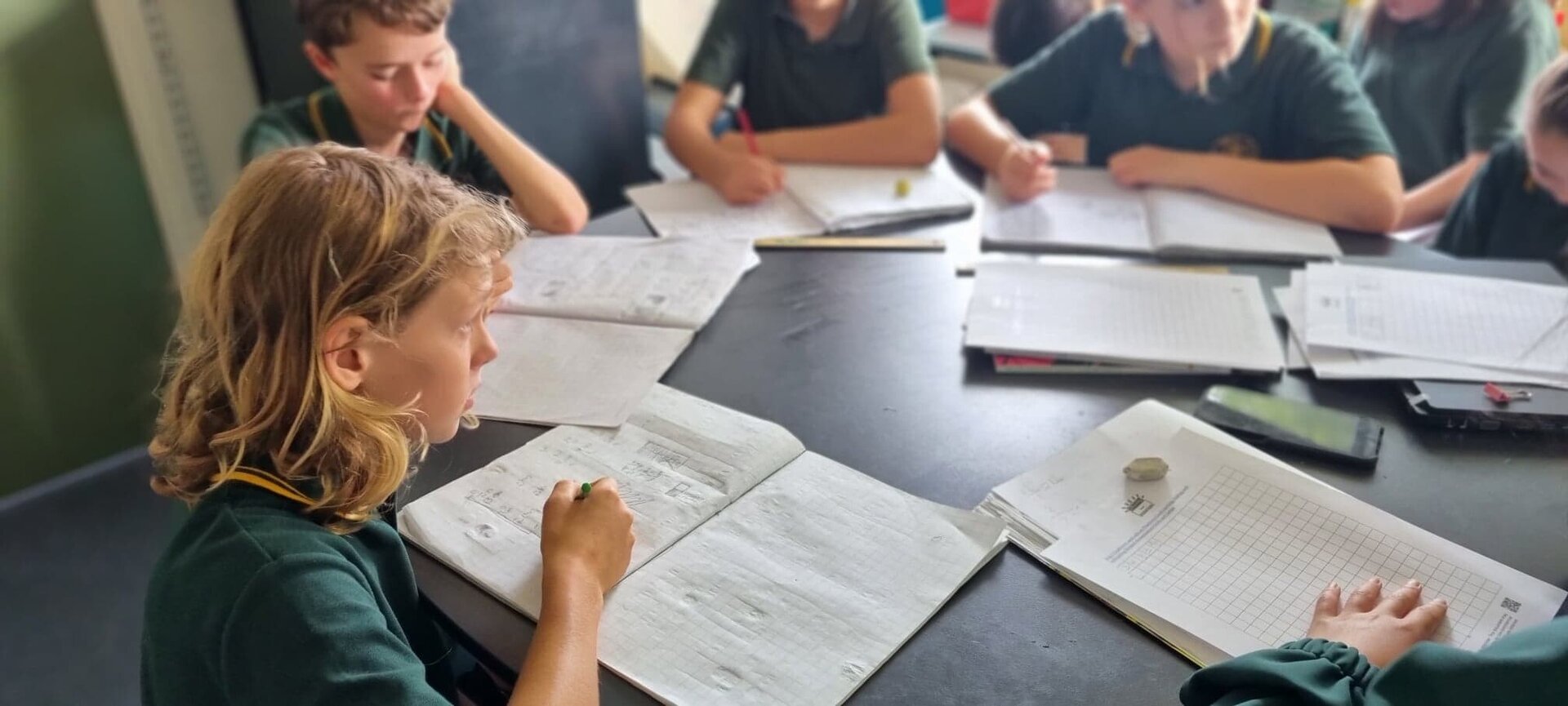
Mathematics at Dromana Primary School
At Dromana Primary School, we support all students to achieve a high standard of proficiency in Mathematics. Mathematics learning is organised across six interrelated strands:
Number
Algebra
Measurement
Space
Statistics
Probability (from Year Three)
As with reading, there is a science of mathematics — a body of research that explains how the brain best learns mathematical concepts. Our approach to teaching mathematics is aligned with this evidence base and includes:
Teaching concepts through well-learned procedures and facts
Laying strong foundations for number sense
Explicit teaching of standard algorithms for the four operations
Scaffolding problem solving using visual representations
Using precise mathematical vocabulary
Embedding review and retrieval practice
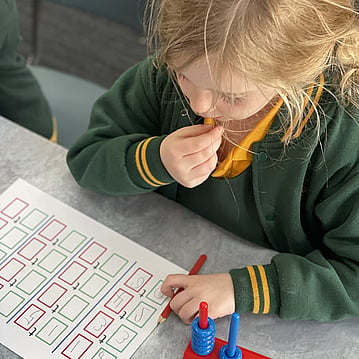
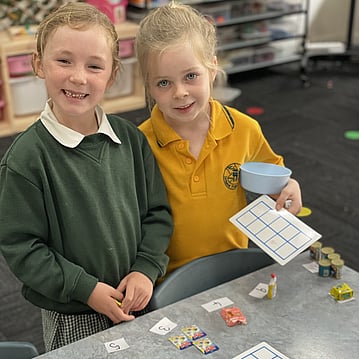
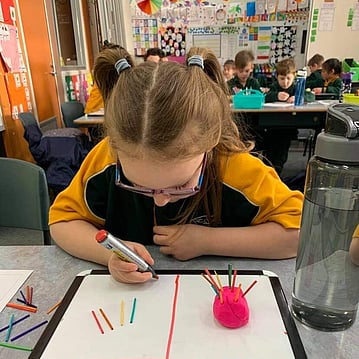
Mathematics Learning Cycles
Mathematics at DPS is taught through Learning Cycles, aligned with our whole-school scope and sequence, which is being finalised this year.
Each Learning Cycle begins with Common Formative Assessment Tasks (CFATs) to pre-test prior knowledge and identify student learning needs. This data informs planning for targeted support, differentiation and extension. Students use a proficiency scale aligned to the CFAT to identify and understand their individual learning goals for the cycle.
At the conclusion of each cycle, students complete a post-test to determine proficiency. This allows teachers to:
Identify students requiring additional time, support and explicit instruction
Plan further guided and independent practice where needed
Provide opportunities for other students to apply their learning through rich tasks, challenging problems and deeper application
How Mathematics is Taught at DPS
The following principles underpin Mathematics instruction during each Learning Cycle:
Mathematics is taught sequentially, building complexity over time
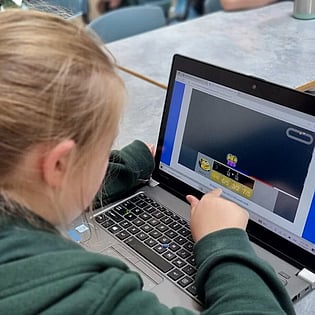
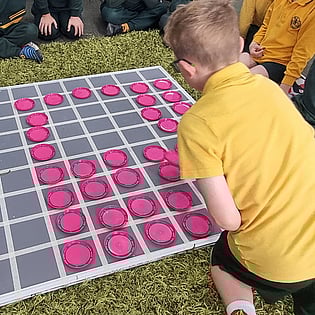
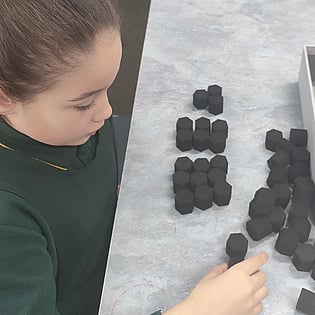
Learning experiences follow a concrete–pictorial–abstract framework
New content is broken into manageable chunks and taught explicitly with clear modelling
Fluent recall and application of knowledge are developed through regular consolidation
Daily, weekly and monthly review are embedded to strengthen long-term memory through spacing and retrieval practice
Once understanding is achieved, students engage in varied problem-solving and challenging tasks to apply their knowledge in different ways
Increasingly complex, unfamiliar and authentic problems are used to support application with greater independence through structured inquiry and rich problem-solving contexts
Through this consistent and evidence-based approach, we ensure every student is supported, challenged and equipped with the mathematical knowledge and skills needed for success.

Contact Us
Phone: | (03) 5987 2367 | |
Email: | ||
Office Hours: | 8:30am - 4:00pm Mon to Fri |